
Energy Boosting Foods for Men
Explore our comprehensive guide to nutrient-dense foods that naturally enhance energy, stamina, and vitality. Discover what leading nutritionists recommend for optimal male performance and wellness.
The information on this site is for educational purposes only and does not constitute medical advice. Always consult a qualified healthcare professional before making health decisions.
Browse by Food Category
Featured Energy Foods

Wild Salmon
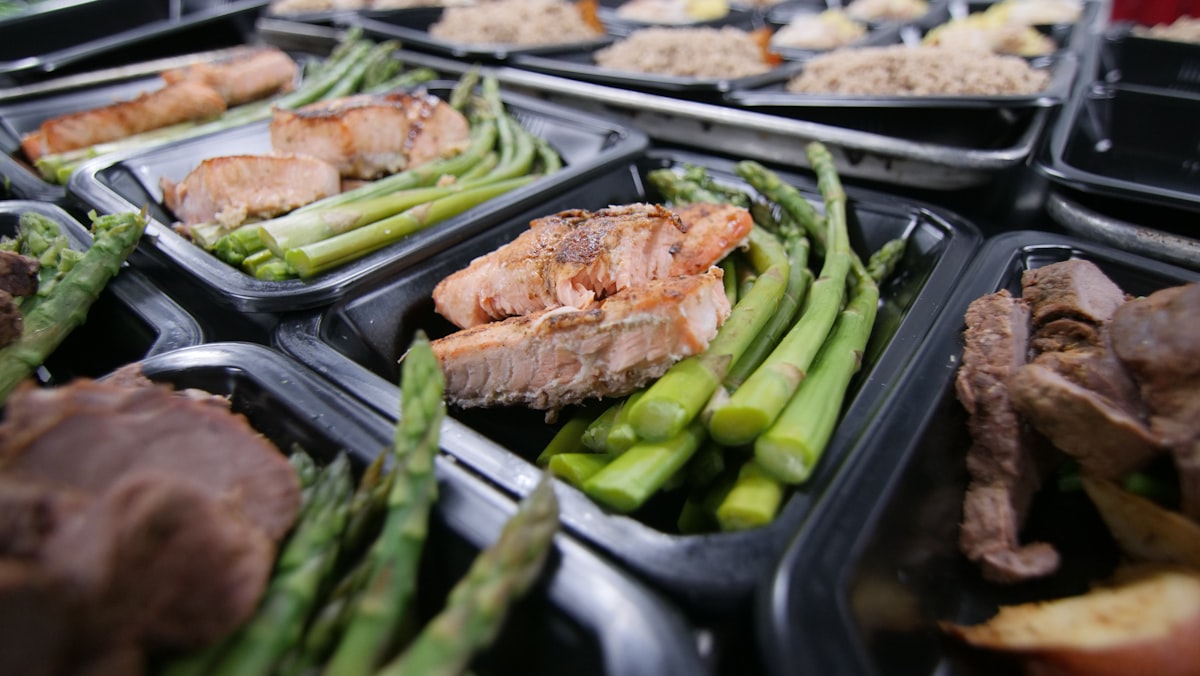
Rich in omega-3 fatty acids and high-quality protein, salmon supports cardiovascular health and provides sustained energy through its nutrient-dense profile. The vitamin D content aids energy metabolism and supports natural vitality.

Organic Eggs
Eggs contain all nine essential amino acids and are packed with choline, which supports brain function and energy production. The lutein and zeaxanthin content promotes healthy vision and mental clarity throughout your day.

Rolled Oats
Oats deliver complex carbohydrates that provide steady glucose release, preventing energy crashes. High in beta-glucan fiber, they support digestive health and maintain consistent energy levels throughout morning hours.

Raw Almonds
Almonds provide healthy monounsaturated fats, magnesium, and vitamin E, all crucial for energy production and muscle function. Their nutrient density makes them ideal for sustained energy between meals without blood sugar spikes.

Spinach & Kale
Dark leafy greens are nutrient powerhouses containing iron, magnesium, and potassium that support oxygen transport and energy metabolism. Their antioxidant content helps reduce fatigue and supports overall physical performance.

Fresh Blueberries
Blueberries pack anthocyanins and natural sugars for quick energy while supporting brain function and endurance. Their antioxidant density helps combat exercise-related fatigue and supports cardiovascular performance during physical activity.

Sweet Potatoes
Sweet potatoes deliver complex carbohydrates and resistant starch that fuel sustained energy and athletic performance. Rich in vitamin A and manganese, they support metabolism and provide nutrients for muscle recovery and strength.

Grass-Fed Beef
Grass-fed beef provides complete protein with high bioavailability, iron, and B vitamins essential for energy production and oxygen transport. The creatine content supports muscle strength and athletic endurance naturally.
Greek Yogurt
Greek yogurt offers nearly double the protein of regular yogurt, supporting muscle maintenance and sustained energy. Probiotic cultures aid digestive health, which directly impacts nutrient absorption and overall vitality.
Understanding Energy Nutrition
What Makes a Food "Energizing"?
Energy-boosting foods contain nutrients that directly support ATP production (cellular energy), maintain stable blood glucose, and reduce fatigue. Key components include complex carbohydrates for sustained fuel, complete proteins for muscle support, healthy fats for hormone production, and micronutrients that facilitate metabolic processes.
Whether you're an athlete, office worker, or physically active individual, incorporating these scientifically-recognized energy foods into your daily nutrition can significantly enhance your stamina, mental clarity, and overall performance without relying on stimulants or artificial supplements.
Energy Release Timing
- Immediate Energy: Simple carbs, fruits, honey (15-30 minutes)
- Sustained Energy: Complex carbs, protein, fats (2-4 hours)
- Long-term Fuel: Nutrient-dense whole foods (ongoing cellular support)
Optimal Pairing Ideas
- Protein + Carbs: Eggs with whole grain toast
- Healthy Fat + Protein: Almonds with Greek yogurt
- Complex Carbs + Fruits: Oats with blueberries
Frequently Asked Questions
Portion sizes depend on your body weight, activity level, and overall caloric needs. Generally, aim for 20-30g of protein per meal, include a fist-sized portion of complex carbs, and add a thumb-sized serving of healthy fats. Most men benefit from spreading these foods across 3-4 meals daily. Our Food Guide page provides detailed portion recommendations based on your specific goals and lifestyle.
Whole foods provide more sustained energy without the crash associated with stimulants. A balanced meal with protein, complex carbs, and healthy fats creates stable blood glucose and provides steady energy for 3-4 hours. While occasional coffee has benefits, relying primarily on whole energy foods supports long-term vitality and avoids dependency on caffeine or artificial ingredients.
While organic foods may have higher nutrient density and fewer pesticide residues, the energy-boosting nutrients are present in both organic and conventional varieties. If budget is a concern, prioritize organic for items with high pesticide residues (berries, leafy greens, eggs), but any high-quality whole food is far superior to processed alternatives. Consistency matters more than perfection.
For pre-workout energy, consume easily digestible carbs and protein 1-2 hours before exercise (e.g., oats with banana). Post-workout, eat protein and carbs within 30-60 minutes to support recovery (e.g., eggs with sweet potato). On rest days, distribute these foods across regular meals to maintain steady energy without overwhelming your digestive system. Hydration is equally important for nutrient transport.
Whole foods provide not just isolated nutrients, but complete nutrient profiles with cofactors, fiber, and bioavailable compounds that work synergistically. A study participant noted that switching from supplements to real foods provided more sustained energy and mental clarity. While supplements may have a role, they cannot replicate the comprehensive nutritional benefits of whole energy foods. Real food is the foundation.
Many energy foods require minimal preparation: eggs can be boiled, scrambled, or fried; berries eaten raw; almonds need no cooking; Greek yogurt consumed straight from the container; spinach added raw to salads. Salmon can be baked wrapped in foil. Our Food Guide includes no-cook and quick-preparation recipes perfect for beginners. Start with 2-3 simple preparations and gradually expand your cooking repertoire.
What Our Readers Discover
"After learning about proper energy food combinations from Divinotdto's guide, I stopped crashing at 3 PM. The sustained energy from eating salmon with sweet potatoes is incredible. I finally understand why my previous approach with energy drinks wasn't working long-term."
Budi Santoso
Jakarta
"The article on nutrient-dense power foods opened my eyes to how much I was missing. I now include almonds and Greek yogurt daily, and my gym performance has noticeably improved. This beats any supplement I've tried. Finally science-based information that actually works."
Ahmad Wijaya
Surabaya
"I shared the food pairing guide with my entire fitness group. Everyone's seeing better endurance and faster recovery. The explanation about energy release timing finally made me understand why my meal timing matters. Incredibly helpful editorial content."
Rinto Harahap
Medan
Your Energy Food Journey
Assess Your Current Energy Patterns
Begin by tracking when you feel most energized and when energy crashes occur. Note what you're currently eating during those times. This baseline helps you understand how your body responds to different foods and timing. Our editorial content includes assessment frameworks to identify your personal energy patterns.
Choose Your Energy Foods
Select 2-3 protein sources, 2-3 complex carbs, and 2-3 healthy fat sources from our featured list that appeal to your taste preferences. This ensures you'll actually enjoy the foods rather than forcing down options you dislike. Consistency comes from genuine preference, not willpower.
Master the Pairing Formula
Combine protein + complex carbs + healthy fats at each main meal for optimal sustained energy. Use the timing guide to eat lighter, quicker meals before workouts and heartier combinations after exercise. Our Food Guide provides dozens of tested combinations that deliver real results.